
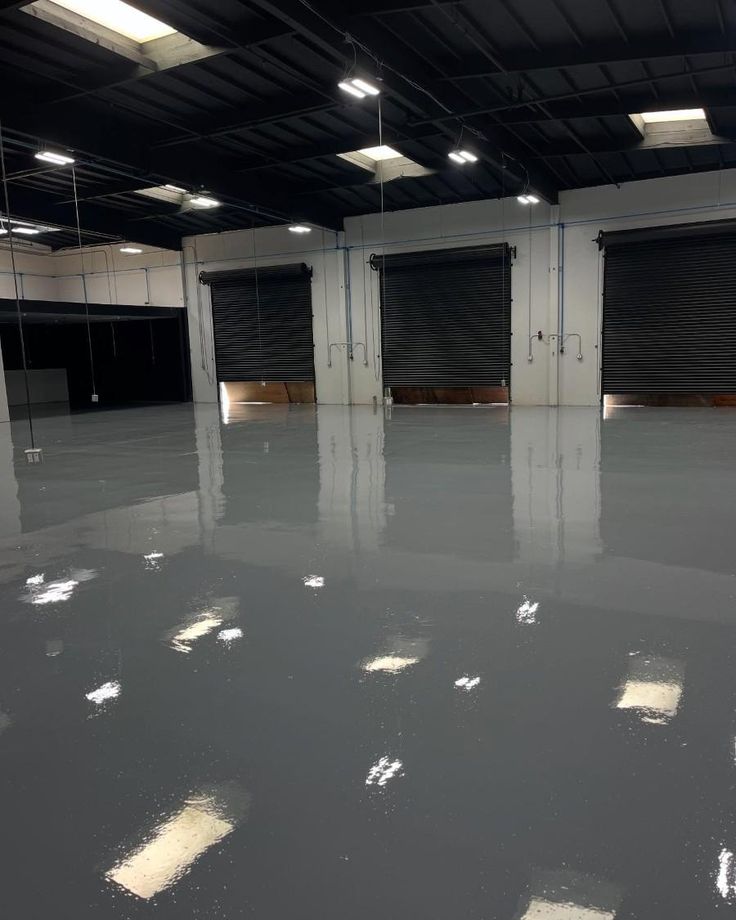
A coating project becomes easier when material selection starts with the floor conditions rather than a familiar product. Contractors visiting an epoxy store Garden Grove location should know whether the job involves a garage, warehouse, commercial kitchen, showroom, exterior surface, or another environment because traffic, sunlight, chemicals, and downtime can influence the system.
Epoxy, polyaspartic, and urethane products can each serve useful roles in concrete flooring. The better choice depends on where the material sits within the system and what the finished floor needs to handle.
Start With the Environment
The first question should be simple: what will happen on this floor every day? Vehicle traffic, forklifts, hot tires, cleaning chemicals, sunlight, moisture, and customer foot traffic create very different performance demands.
A contractor comparing an epoxy resin store Garden Grove option should bring basic project details before ordering. Square footage, interior or exterior exposure, expected traffic, decorative goals, and slab condition can make product recommendations more specific.
Use Epoxy Where Its Strengths Fit
Epoxy is commonly used as a primer, build coat, or decorative base in interior resinous flooring systems. It can provide a seamless layer over properly prepared concrete and work with solid colors, decorative flakes, or metallic effects.
However, the word “epoxy” is not a complete specification. Formulations have different working times, thicknesses, coverage rates, and compatibility requirements. Contractors should review the technical data for the exact product being used.
Think About UV Exposure Early
Sunlight is easy to overlook on an interior project. Garage entrances, storefronts, loading areas, and rooms with large windows may receive strong UV exposure even when most of the floor is indoors.
Some epoxy products can discolor with prolonged UV exposure, so the topcoat and overall system should be selected accordingly. Polyaspartic or aliphatic urethane finishes may be considered where UV stability is important.
Exterior work requires even more care. A product that performs well in a warehouse should not automatically be used on a patio or exposed walkway.
Match the Topcoat to the Workload
The topcoat is not only about gloss. It may contribute abrasion resistance, chemical resistance, stain protection, texture, or UV performance depending on the system.
A busy warehouse with pallet jacks may need different priorities from a residential garage. A commercial space exposed to oils or cleaning chemicals may require another approach.
Contractors should evaluate the final layer as part of the complete system rather than choosing it only after the base coat is installed.
Plan Decorative Effects After Performance
Metallic pigments, flake blends, quartz, and color additives can transform a concrete floor, but decorative choices should come after the performance requirements are clear.
The base coat must be compatible with the decorative media, and the final topcoat needs to protect the finish appropriately. Broadcast rates and pigment quantities can also affect material calculations.
Physical samples are useful because lighting, substrate color, and gloss can change how the finished floor appears.
Respect Working Time and Recoat Windows
Resin flooring materials have limited working periods once components are mixed. Temperature and product chemistry can influence how quickly the installer needs to place and finish the material.
Crews should know the pot life, coverage, recoat window, and required tools before mixing begins. Missing a recoat window may create extra preparation before the next layer.
Organizing materials and assigning responsibilities in advance helps the crew use working time efficiently.
Do Not Ignore Surface Preparation
Even a well-chosen resin system can fail over poorly prepared concrete. Grinding, cleaning, crack repair, and removal of old coatings or contaminants should happen before application.
The required concrete profile should follow manufacturer guidance. Moisture conditions may also need evaluation when the slab history or project environment suggests a concern.
Preparation materials should be included in the original supply plan rather than purchased only after problems appear.
Build the Order as a Complete System
A practical order may include abrasives, repair products, primer, base coat, decorative media, topcoat, application tools, PPE, and cleanup supplies.
Thinking in stages makes it easier to spot missing items and confirm that each layer is compatible with the next. It also reduces the chance of stopping a time-sensitive installation because a small accessory was forgotten.
Conclusion
Choosing resin flooring materials by habit can lead to a system that does not match the project. Environment, UV exposure, traffic, chemical contact, decorative goals, preparation, and installation timing should guide the decision.
For contractors comparing epoxy, polyaspartic, urethane, decorative systems, surface-preparation products, and application tools in Orange County, whatittakescoatingsupplies.com can serve as a Garden Grove resource for building a more complete supply plan. Selecting materials around the actual job gives the crew a stronger starting point before the first coat goes down.
